Let’s dismantle a massive digital marketing illusion right out of the gate: if you are treating Pinterest like a traditional social media application—a place to casually scroll through recipes and double-tap vacation photos—you are leaving thousands of dollars on the table. For digital marketers, e-commerce operators, and affiliate promoters targeting the United States, Pinterest is not a social network at all. It is a highly sophisticated, intent-driven visual search engine.
As we navigate the hyper-competitive landscape of 2026, building sustainable web traffic is an absolute grind. Traditional search networks are bogged down by aggressive algorithm updates, paid advertising costs are soaring, and organic reach on traditional social feeds drops to zero within hours.
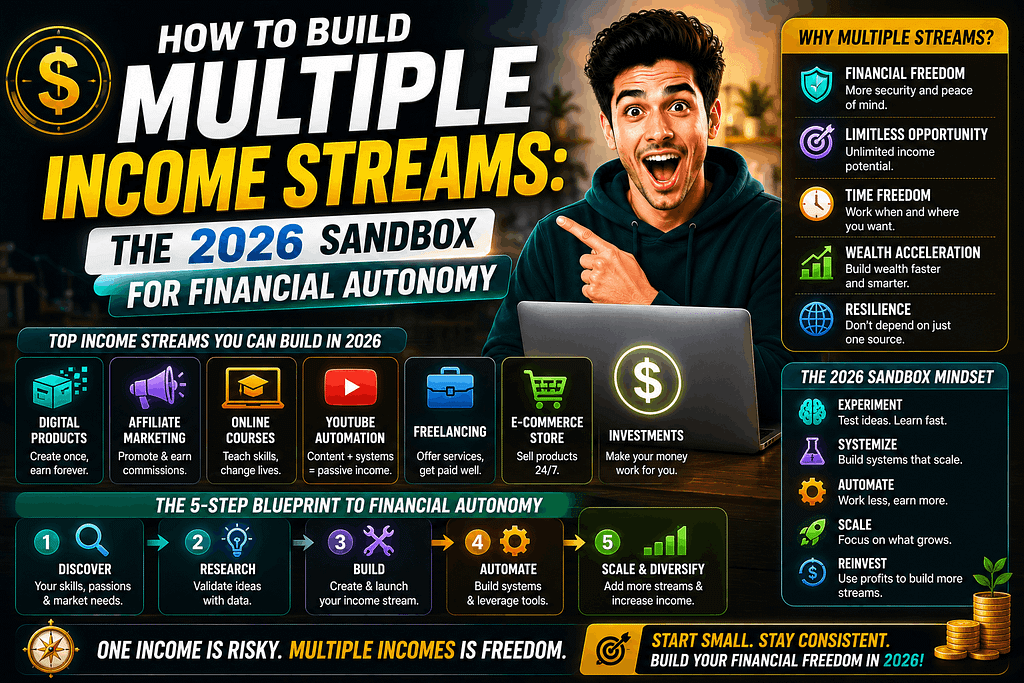
However, the elite operators who quietly funnel millions of high-intent US buyers toward their affiliate links do not chase volatile social trends. They treat Pinterest like a structured database. Because pins have an exponential digital shelf-life—frequently driving consistent clicks for months or even years after publication—mastering this platform is the ultimate shortcut to long-term digital leverage. If you want to stop trading your hours for temporary views and build a permanent revenue engine, this is your definitive Pinterest Affiliate Marketing Guide.
1. Select High-Margin, High-Intent Niches
The absolute biggest mistake beginners make is creating a generalized Pinterest account that pins random Amazon products. To secure consistent US traffic and premium affiliate commissions, you must target distinct, high-intent communities that actively require digital tools and premium products to solve immediate problems.
Instead of promoting cheap physical goods with a 2% commission, align your affiliate strategy with high-leverage digital and software niches.
-
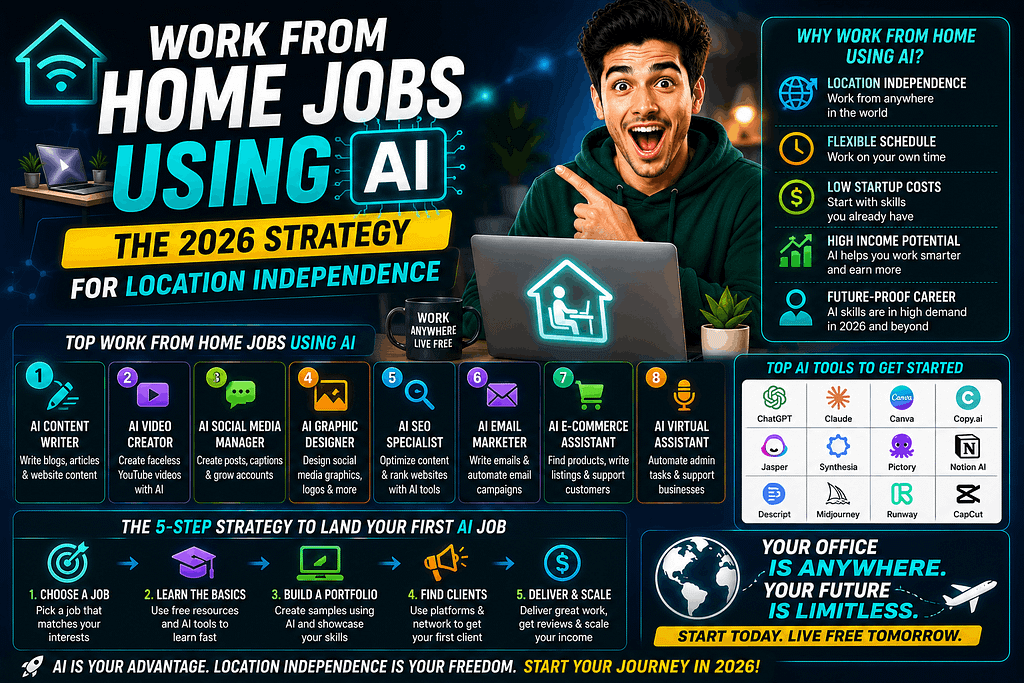
The Tech & AI Space: The B2B sector in the United States is desperate for clear, actionable digital assets. If you are curating tech content on a site like Earnify05, you can create pins promoting high-ticket software. Pin infographics about AI-related side hustles, data engineering tools, or server hosting platforms. The payouts for software-as-a-service (SaaS) affiliate programs often include 30% recurring monthly commissions.
-
The Creative & Audio Niche: Suppose you operate an atmospheric, multi-sensory brand—like a lo-fi music channel such as Amber Chaos. You can create visually striking pins targeting independent creators, linking to premium audio mixing software, generative AI beat-makers, or high-end studio headphones.
-
The Animation & Design Sector: If you are involved in 2D animated children’s entertainment—developing dynamic storyboards for a project like Wonder Wings Adventure—your Pinterest boards can target aspiring animators. Promote affiliate links for vector drawing tablets, animation software licenses, or scriptwriting masterclasses.
2. Establish the Technical Foundation: The Business Layer
The worst way a beginner can start pinning affiliate links is by using a standard personal profile. Personal accounts lack the essential analytics infrastructure, verification tools, and data tracking modules required to monitor consumer behavior.
Transition immediately to a free Pinterest Business Account. This unlock gives you access to the comprehensive analytics dashboard, audience demographic segmentation, and the ability to track outbound clicks, specifically isolating your lucrative USA-based traffic. Crucially, claim and verify your independent website domain inside your account settings. When you verify a digital property like Earnify05, the platform attaches your profile branding to every single pin saved from your site, signaling deep algorithmic authority.
3. Decode the Pinterest SEO Matrix
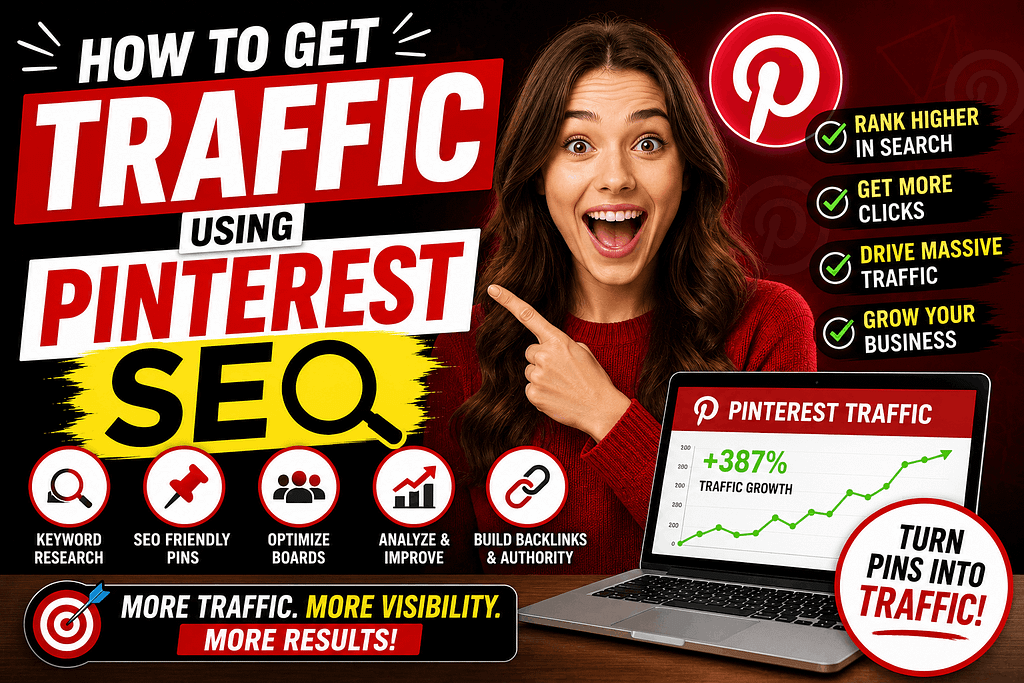
Because Pinterest operates strictly as a search tool, your traffic relies entirely on how well you optimize your text metadata. If the algorithm cannot determine exactly what your visual asset represents, it will never surface your pin in user search results.
Stop guessing what terms your target audience uses. Go directly to the native Pinterest search bar and type in your broad niche. Analyze the predictive, long-tail terms that populate horizontally across the screen. These are the exact phrases being searched by millions of users across the USA.
Your pin title must feature your primary focus phrase cleanly. If you are writing a pin about this exact strategy, place the exact phrase Pinterest Affiliate Marketing Guide right at the front of your title block. You have 500 characters in the description layer to build context. Write highly descriptive, natural human sentences that weave in three to four secondary semantic keywords. Do not simply copy and paste a row of disconnected search tags.
4. The Bridge Page Strategy vs. Direct Linking
Pinterest allows you to place an affiliate link directly into a pin’s destination URL, but doing so carries a massive operational risk. If the affiliate program shuts down, or Pinterest’s spam filters suddenly flag that specific affiliate network, your entire pin history becomes useless overnight.
The elite strategy is to build a “Bridge Page.” Instead of linking directly to a software checkout, you link your pin to a high-value article on Earnify05. For example, you write a comprehensive review of a new data-analytics tool on your blog, embed your affiliate links heavily throughout that article, and point your Pinterest traffic to your own domain. This allows you to capture the visitor’s email address, retarget them later, and protect your Pinterest account from sudden algorithmic spam penalties.
5. Visual Engineering: Designing Pins That Force the Click
Pinterest is an intensely visual environment. Your asset is competing against hundreds of other graphics simultaneously on a user’s mobile screen.
The platform strictly favors vertical layouts. Always build your graphics using a clean 2:3 aspect ratio (1000 x 1500 pixels). Horizontal or square images will be shrunk by the interface, rendering your text completely unreadable. Your visual design must match the psychological intent of your audience. Use high-contrast typography, bold colors, and clear calls-to-action on the image itself. If a user is scrolling rapidly, they need to know exactly what they will get by clicking within a fraction of a second.